
About PlanSurg
Built by someone who has used the plan in surgery.
PlanSurg was created to help close a common gap in digital surgical workflows: the space between what a clinical team intends and what a technical process ultimately delivers.
Why PlanSurg exists
Software alone does not understand the surgical setting.
Today's tools can segment anatomy, simulate procedures, and produce sophisticated designs. But software alone does not understand how those outputs will be reviewed, produced, and used in a real surgical environment.
PlanSurg brings surgical-use perspective into that space. We connect clinical objectives with technical planning, careful review, training, and workflows that make sense for the people responsible for the work.
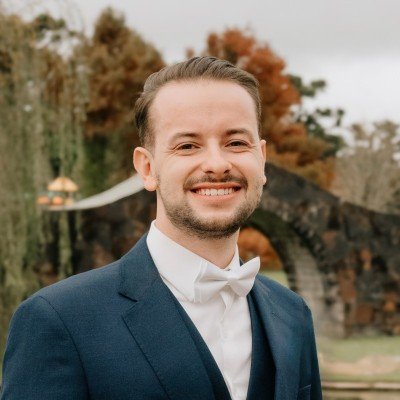
Henkes
Founder
Surgical experience that informs the design.
Matheus Henkes is a Brazil-trained dentist with postgraduate specialization in Oral and Maxillofacial Surgery and Traumatology. He brings more than ten years of experience in dental environments, seven years in hospital settings, and direct involvement with digital surgical workflows since 2022.
His clinical background includes guided implant procedures, hospital-based guided surgery and the use of anatomical models in surgical preparation. He has worked with digital plans both as the surgeon using them and as the professional preparing the planning and guide design.
As a surgeon working with outsourced planning, he spent time clarifying surgical requirements and correcting designs that did not fully reflect the intended procedure. That experience shaped PlanSurg: understand the intended use, identify technical questions early and prepare clear materials for provider review. The aim is a more useful planning exchange, with clinical decisions and final approval remaining with the treating licensed provider.
His business education also informs how PlanSurg is being built: not as knowledge held by one individual, but as a disciplined and teachable company with processes that can be reviewed, improved, and carried forward as the organization grows.
Built by a surgeon. Designed for surgical teams.
Based in Celebration, Florida
A local connection for Central Florida teams.
PlanSurg is based in Celebration and supports dental laboratories, clinics, and surgical teams across Greater Orlando and Central Florida, alongside remote engagements throughout the United States.
Introductory conversations can be held virtually or, when useful, in person by appointment.
How we think about the work
Provider-supportive. Software-centered. Manufacturing-light.
Responsibility should be easy to understand, technical work should reflect its intended surgical use, and growth should not depend on lowering the standard of review.